Corrosion/High Temperature(600℃) Resistance
Principle of Adhesive-Free Glass Bonding
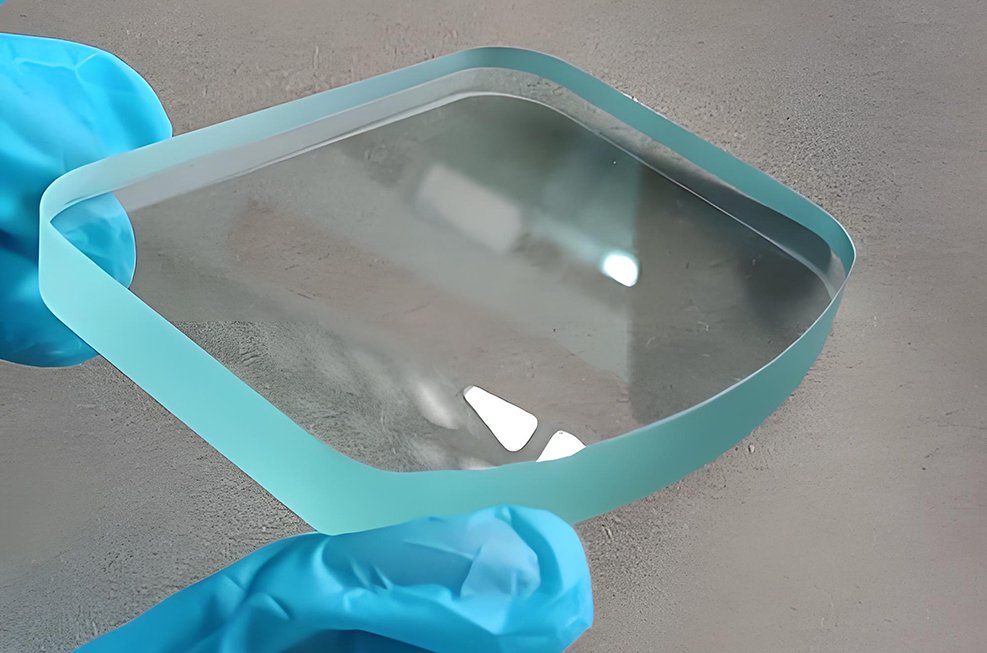
Adhesive-Free Glass Bonding, also known as Glass-to-Glass Direct Bonding or Fusion Bonding, is an advanced technology that permanently joins two ultra-flat glass substrates without the use of adhesives, resins, or intermediate layers. Instead of relying on glue, the process creates direct chemical bonds between the glass surfaces at the molecular level, resulting in a seamless and highly durable structure.
Advantages of Adhesive-Free Glass Bonding
- No adhesives or organic materials
- Excellent optical transparency
- Superior thermal stability
- High mechanical strength
- Outstanding chemical resistance
- No risk of adhesive aging or yellowing
- Seamless optical appearance
- Suitable for precision electronic and optical devices


 Skip to content
 Optimized by Seraphinite Accelerator

