 Skip to content
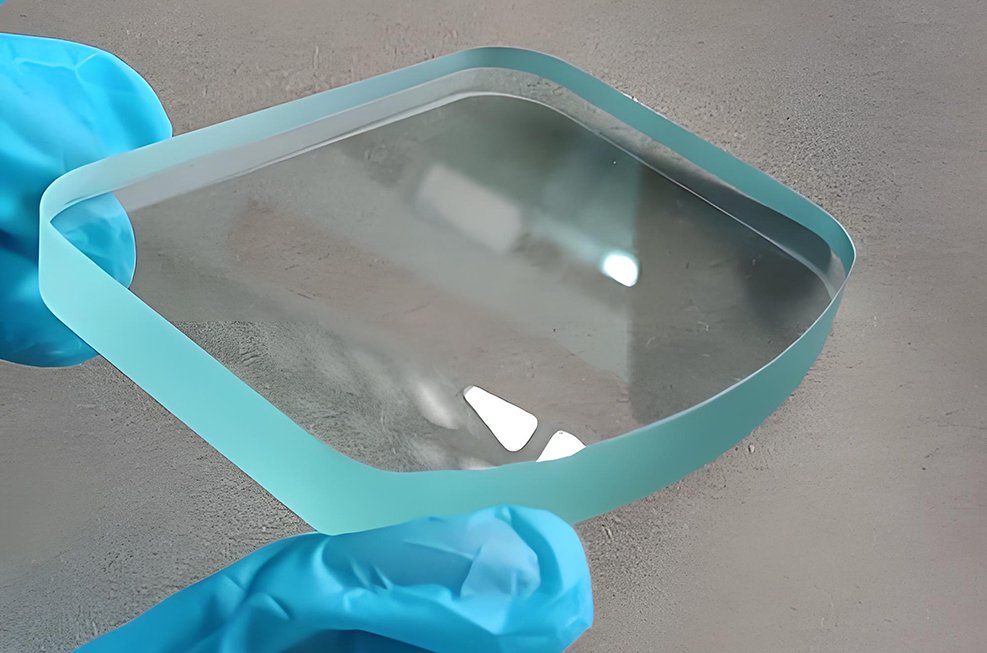
Silkscreen Printed Glass Panel
Key Feature
Cleanroom = Dust-free
Precision 0.2mm

Dust-free glass screen printing - precision 0.2mm
- The minimum line thickness and blank gap should not be less than 0.2mm
- Screen printing is the most basic processing technology, and the electroplating process also requires the use of screen printing technology, but precision or color overprinting requires the skill of a master
- Color grading, please provide Pantone color code or sample, we can produce pure colors
- Screen printing should be carried out under dust-free conditions, and dust/lint should not be sealed under ink
- Do not leave fingerprints on the glass during QC inspection and screen printing by the master operator
- Conductive silk screen printing
- Semi transparent silk screen printing
- Medical grade silk screen printing

Glass Electroplating
Glass is an insulator, which first forms a conductive bottom layer (nickel, copper, silver, etc.) on the surface, and then electroplated with metals/alloys such as gold, chromium, titanium, aluminum, indium tin oxide, etc., to achieve mirror like, colored, conductive, and hydrophobic effects.
What Is Glass Mirror Coating?
Glass Mirror Coating is a specialized surface treatment process that deposits reflective metal layers onto glass substrates to create mirror-like optical properties. Depending on the application, the coating may be applied to one side or both sides of the glass using vacuum deposition technologies such as magnetron sputtering, evaporation coating, or metal electroplating.
Unlike conventional household mirrors, industrial glass mirror coatings are designed to meet specific optical, decorative, and functional requirements. They are widely used in consumer electronics, automotive interiors, smart home products, medical devices, and architectural applications.
As modern products increasingly adopt glass as a premium surface material, mirror-coated glass has become an important solution for achieving both aesthetic appeal and functional performance.
Key Advantages of Glass Mirror Coating - High Reflectivity
The primary benefit of mirror coating is its excellent reflective performance. Metal layers such as aluminum, silver, chromium, or stainless-steel-based coatings provide high reflectance across visible light wavelengths.
Manufacturers can customize reflectivity levels according to product requirements, ranging from fully reflective mirror surfaces to semi-transparent one-way mirror effects.
Excellent Durability
Industrial mirror coatings are designed to withstand demanding environments. Additional protective layers can improve:
Scratch resistance
Corrosion resistance
Chemical resistance
Humidity resistance
UV stability
Various colors can be achieved through coating technology, including
Silver Mirror
Black Mirror
Gold Mirror
Rose Gold Mirror
Champagne Gold Mirror
Blue Mirror
Titanium Mirror
These finishes allow designers to create distinctive product appearances while maintaining the durability of glass.
Comparison of Main Glass Plating Technologies
1. Vacuum electroplating (most commonly used, preferred for glass)
Method: Magnetron sputtering, vapor deposition, ion plating
Coating: Aluminum, Titanium, Chromium, Silver ITO、 Titanium nitride, etc
Advantages: Strong adhesion, uniform, environmentally friendly, no wastewater, can be used as a colored/transparent conductive film
Usage: Mobile phone cover, car rearview mirror, architectural coated glass, decorative glass, AR/AF anti fingerprint film
2. Chemical plating (electroless plating, wet method)
Glass surface sensitization → activation → chemical silver/copper/nickel plating, without the need for electricity, forms a conductive layer, which can be further thickened by electroplating.
Usage: Mirrors, conductive glass, low reflective glass, handicrafts
3. Water electroplating (rarely used directly)
Chemical plating must be applied first, followed by hanging plating/rolling plating. There is a lot of wastewater and poor adhesion, and glass parts are rarely used.
Difference Between Glass Mirror Coating and Glass Screen Printing
Although Glass Mirror Coating and Glass Screen Printing are both surface treatment processes for glass, they differ significantly in terms of functionality, visual appearance, manufacturing methods, and application scenarios.
| Comparison Item | Glass Mirror Coating | Glass Screen Printing |
|---|---|---|
| Processing Principle | Depositing metal layers onto the glass surface in a vacuum environment | Transferring ink onto the glass surface through a screen mesh |
| Material Composition | Metal coatings (Aluminum, Chromium, Stainless Steel, Titanium, etc.) | Inks (Ceramic Ink, UV Ink, etc.) |
| Surface Appearance | Mirror finish, high gloss, metallic texture | Solid colors, semi-transparent effects, decorative patterns |
| Pattern Capability | Primarily full-surface coating | Suitable for complex patterns, text, icons, and logos |
| Light Transmission Control | Semi-transparent mirror and one-way mirror effects | Localized transparency or light-blocking designs |
| Wear Resistance | High (typically enhanced with a protective layer) | High (especially with fired ceramic inks) |
| Cost | Relatively higher | Relatively lower |
| Typical Applications | Mirror decoration, hidden-display panels, reflective surfaces | Icons, borders, labels, logos, and character printing |
Key Advantage Comparison
| Glass Mirror Coating | Glass Screen Printing |
|---|---|
| Creates premium metallic and mirror-like aesthetics | Enables highly customized graphic and branding designs |
| Supports hidden-display effects when combined with LCD/LED displays | Provides precise light-blocking and light-transmitting areas |
| Available in silver, black, gold, rose gold, champagne gold, and other finishes | Available in virtually unlimited color options |
| Ideal for luxury electronics and automotive interiors | Ideal for functional markings and decorative patterns |


Table of Text - Table of Text - Textverzeichnis
Toggle
