 Skip to content
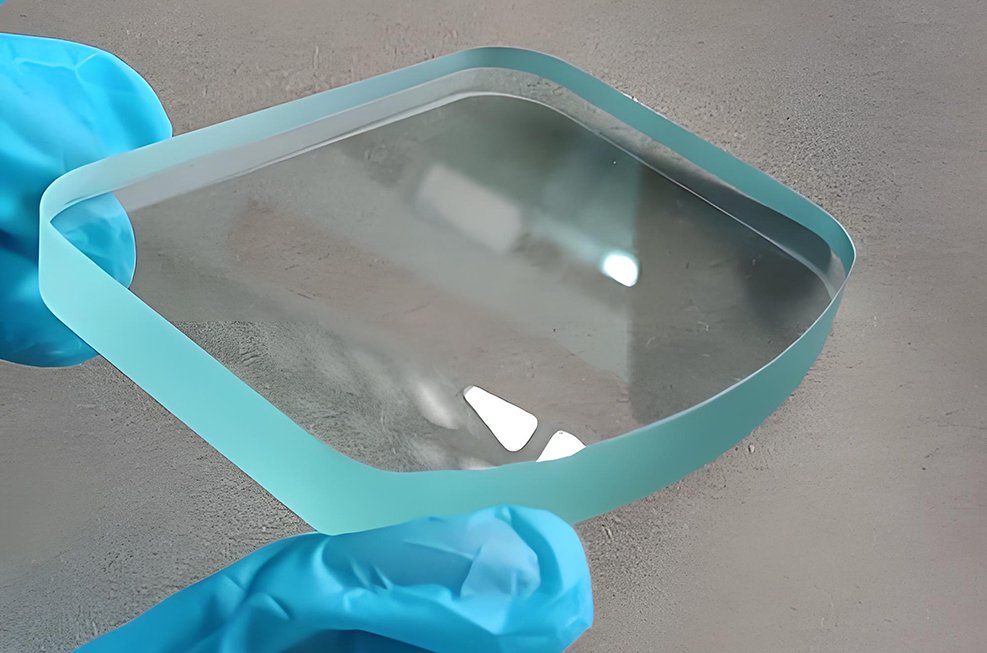
FTO vs ITO Glass: Which Transparent Conductive Glass Is Better?
Transparent conductive glass plays a critical role in modern electronics, displays, touch panels, sensors, and photovoltaic devices. Among the most widely used materials are FTO glass and ITO glass. Understanding the differences between FTO vs ITO glass helps engineers and product manufacturers choose the right material for their applications.
This guide explains the properties, advantages, disadvantages, and applications of FTO and ITO conductive glass while helping OEM manufacturers make informed sourcing decisions.
What Is FTO Glass?
FTO (Fluorine-Doped Tin Oxide) glass is a type of transparent conductive glass created by depositing a fluorine-doped tin oxide coating onto the glass surface.
The conductive coating provides electrical conductivity while maintaining good optical transparency. FTO glass is known for its excellent thermal stability, chemical resistance, and long-term durability.
Key Features of FTO Glass
- High temperature resistance
- Excellent chemical stability
- Good optical transparency
- Durable conductive coating
- Suitable for harsh environments
- Lower manufacturing cost compared to some alternatives
Because of these characteristics, FTO glass is commonly used in solar cells, electrochemical devices, sensors, and laboratory equipment.
What Is ITO Glass?
ITO (Indium Tin Oxide) glass is another transparent conductive glass widely used in consumer electronics and display technologies.
ITO coatings combine indium oxide and tin oxide to create a highly conductive transparent surface. Compared with FTO, ITO glass typically offers lower electrical resistance and higher optical clarity.
Key Features of ITO Glass
- Excellent electrical conductivity
- High light transmission
- Smooth conductive surface
- Suitable for precision electronic applications
- Compatible with touch screen technology
- Ideal for high-resolution displays
ITO glass has become the industry standard for touch panels, LCD displays, OLED devices, smart appliances, and medical equipment.
FTO Glass vs ITO Glass Comparison Table
| Comparison Item | FTO Glass (Fluorine-Doped Tin Oxide) | ITO Glass (Indium Tin Oxide) |
|---|---|---|
| Full Name | Fluorine-Doped Tin Oxide Glass | Indium Tin Oxide Glass |
| Conductive Layer Material | Tin Oxide (SnO₂:F) | Indium Oxide + Tin Oxide (In₂O₃:SnO₂) |
| Electrical Conductivity | Good | Excellent |
| Sheet Resistance | Typically 7–15 Ω/sq | Typically 4–100 Ω/sq (customizable) |
| Optical Transmittance | 75%–85% | 85%–92% |
| Surface Smoothness | Relatively rough | Very smooth |
| High-Temperature Resistance | Excellent (up to 600°C+) | Moderate (typically below 300°C) |
| Chemical Stability | Excellent | Good |
| Acid/Alkali Resistance | Strong | Moderate |
| Mechanical Durability | Excellent | Good |
| Flexibility for Fine Patterning | Limited | Excellent |
| Touch Sensor Compatibility | Not ideal | Excellent |
| Display Performance | Good | Excellent |
| Cost | Lower | Higher |
| Raw Material Availability | Stable | Affected by indium supply |
| Laser Etching Capability | Moderate | Excellent |
| Mass Production Cost | Economical | Relatively expensive |
| Typical Thickness | 1.1mm–3.3mm | 0.4mm–3.0mm |
| Operating Environment | High temperature, outdoor, industrial | Consumer electronics, indoor displays |
Typical Applications Comparison
| Application | FTO Glass | ITO Glass |
|---|---|---|
| Touch Screens | ✘ | ✔ |
| LCD Displays | ✘ | ✔ |
| OLED Displays | ✘ | ✔ |
| Smartphone Panels | ✘ | ✔ |
| Industrial HMIs | △ | ✔ |
| Solar Cells | ✔ | △ |
| Dye-Sensitized Solar Cells (DSSC) | ✔ | △ |
| Perovskite Solar Cells | ✔ | △ |
| Electrochemical Sensors | ✔ | ✔ |
| Laboratory Equipment | ✔ | △ |
| Smart Windows | ✔ | ✔ |
| Transparent Heaters | ✔ | ✔ |
| Automotive Displays | △ | ✔ |
| Medical Displays | △ | ✔ |
| Legend: | ||
| ✔ = Recommended | ||
| △ = Can be used in certain cases | ||
| ✘ = Generally not recommended |
Quick Selection Guide
| If Your Priority Is… | Recommended Material |
|---|---|
| Highest Transparency | ITO Glass |
| Lowest Resistance | ITO Glass |
| Touch Functionality | ITO Glass |
| High-Resolution Displays | ITO Glass |
| High-Temperature Processing | FTO Glass |
| Chemical Resistance | FTO Glass |
| Outdoor Durability | FTO Glass |
| Solar Cell Applications | FTO Glass |
| Lower Material Cost | FTO Glass |
| Consumer Electronics | ITO Glass |
FTO vs ITO Glass: Main Differences
When comparing FTO vs ITO glass, several important factors should be evaluated.
Electrical Conductivity
ITO glass generally provides lower sheet resistance than FTO glass. This means electrical signals can travel more efficiently across the conductive surface.
For applications requiring high sensitivity and fast response, ITO glass is often preferred.
Winner: ITO Glass
Optical Transparency
ITO glass usually achieves higher visible light transmission, making it ideal for display panels and touchscreens where image quality is critical.
FTO glass still offers good transparency but may have slightly lower optical performance.
Winner: ITO Glass
Temperature Resistance
One of the biggest advantages in the FTO vs ITO glass comparison is thermal stability.
FTO coatings can withstand significantly higher processing temperatures without degradation. This makes FTO glass suitable for solar cell manufacturing and high-temperature industrial applications.
Winner: FTO Glass
Chemical Durability
FTO glass demonstrates superior resistance to chemicals and environmental exposure. The coating remains stable even in challenging operating conditions.
ITO coatings may be more sensitive to certain chemicals and processing environments.
Winner: FTO Glass
Cost Considerations
Indium is a relatively expensive raw material. As a result, ITO glass often costs more than FTO glass.
For cost-sensitive projects requiring large production volumes, FTO glass may offer economic advantages.
Winner: FTO Glass
Applications of FTO Glass
Due to its thermal and chemical stability, FTO glass is widely used in:
Solar Energy Devices
FTO conductive glass is commonly used as a transparent electrode in:
- Thin-film solar cells
- Dye-sensitized solar cells (DSSC)
- Perovskite solar cells
Scientific Research
Laboratories often use FTO glass for:
- Electrochemical experiments
- Biosensors
- Analytical instruments
Industrial Electronics
FTO glass is suitable for electronic systems operating in high-temperature environments where long-term durability is essential.
Applications of ITO Glass
ITO glass dominates many consumer and industrial electronic products.
Touch Screens
Smartphones, tablets, industrial touch panels, and self-service kiosks frequently utilize ITO conductive glass because of its excellent conductivity and transparency.
Display Technology
ITO glass is widely used in:
- LCD displays
- OLED displays
- Digital signage
- Medical monitors
Smart Electronics
ITO conductive glass can be found in:
- Smart home control panels
- Automotive displays
- Wearable devices
- Human-machine interface systems
How to Choose Between FTO and ITO Glass
Selecting the right material depends on your product requirements.
Choose FTO glass if your project requires:
- High-temperature processing
- Excellent chemical resistance
- Long-term environmental durability
- Cost-effective conductive glass solutions
Choose ITO glass if your project requires:
- Maximum conductivity
- Superior optical clarity
- High-performance touch functionality
- Premium display quality
Understanding the differences between FTO vs ITO glass allows engineers to optimize both performance and production costs.
Custom FTO and ITO Glass Manufacturing Services
As a professional OEM glass processing manufacturer, we provide customized FTO and ITO conductive glass solutions for global electronics manufacturers.
Our capabilities include:
- Custom glass cutting
- CNC machining
- Precision drilling
- Silk screen printing
- AR coating
- AG coating
- Tempered glass processing
- Optical bonding support
- Prototype and mass production
Whether you need conductive glass for touch panels, industrial displays, smart devices, medical equipment, or solar applications, our engineering team can provide tailored solutions based on your drawings and specifications.
Conclusion
The choice between FTO vs ITO glass depends on balancing conductivity, transparency, durability, and cost. ITO glass excels in displays and touchscreens, while FTO glass offers outstanding thermal stability and chemical resistance for solar and industrial applications.
By partnering with an experienced custom glass manufacturer, electronics companies can obtain optimized conductive glass solutions that meet both technical requirements and production goals.
Know More About Our Processing and Products:


Table of Text - Table of Text - Textverzeichnis
Toggle
